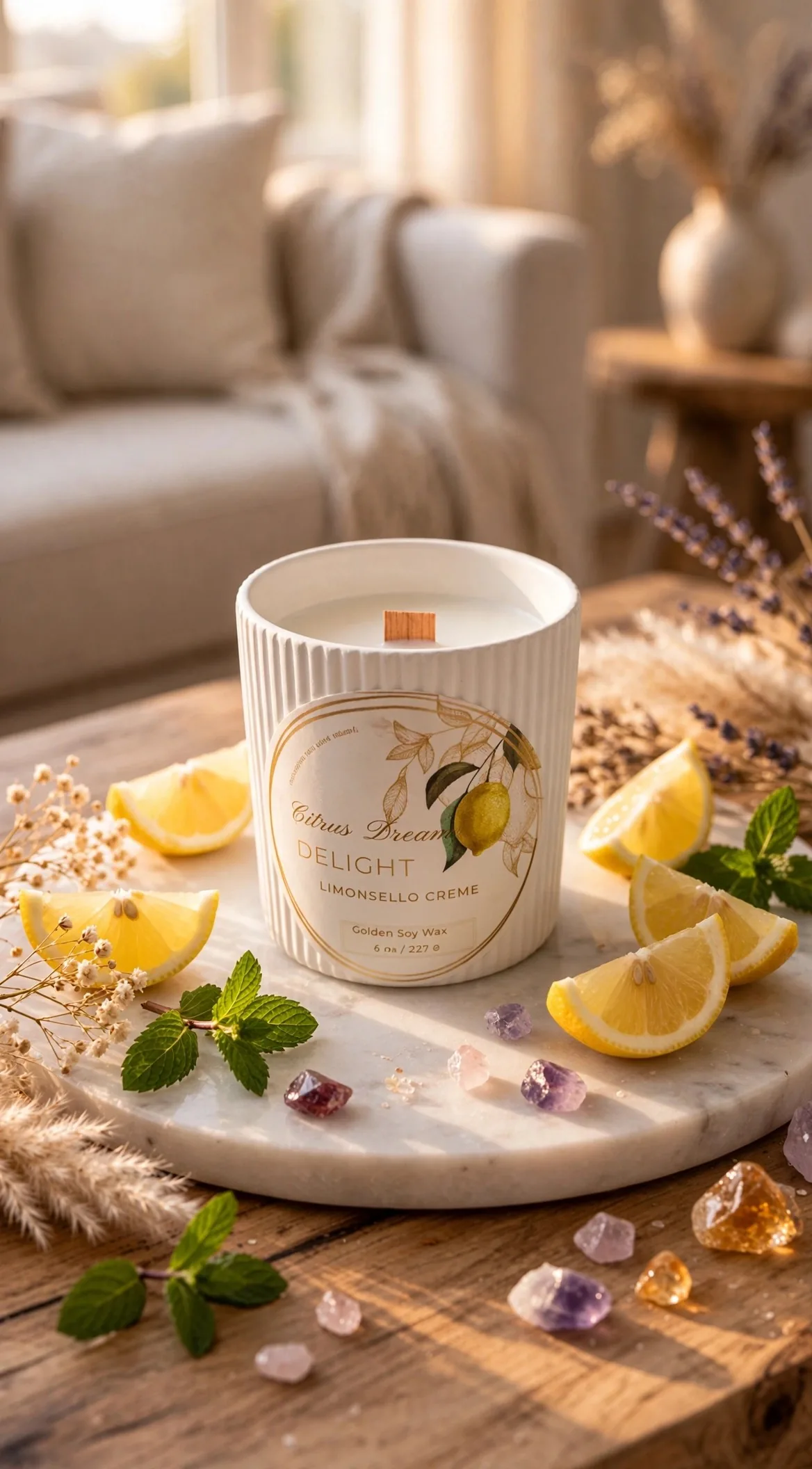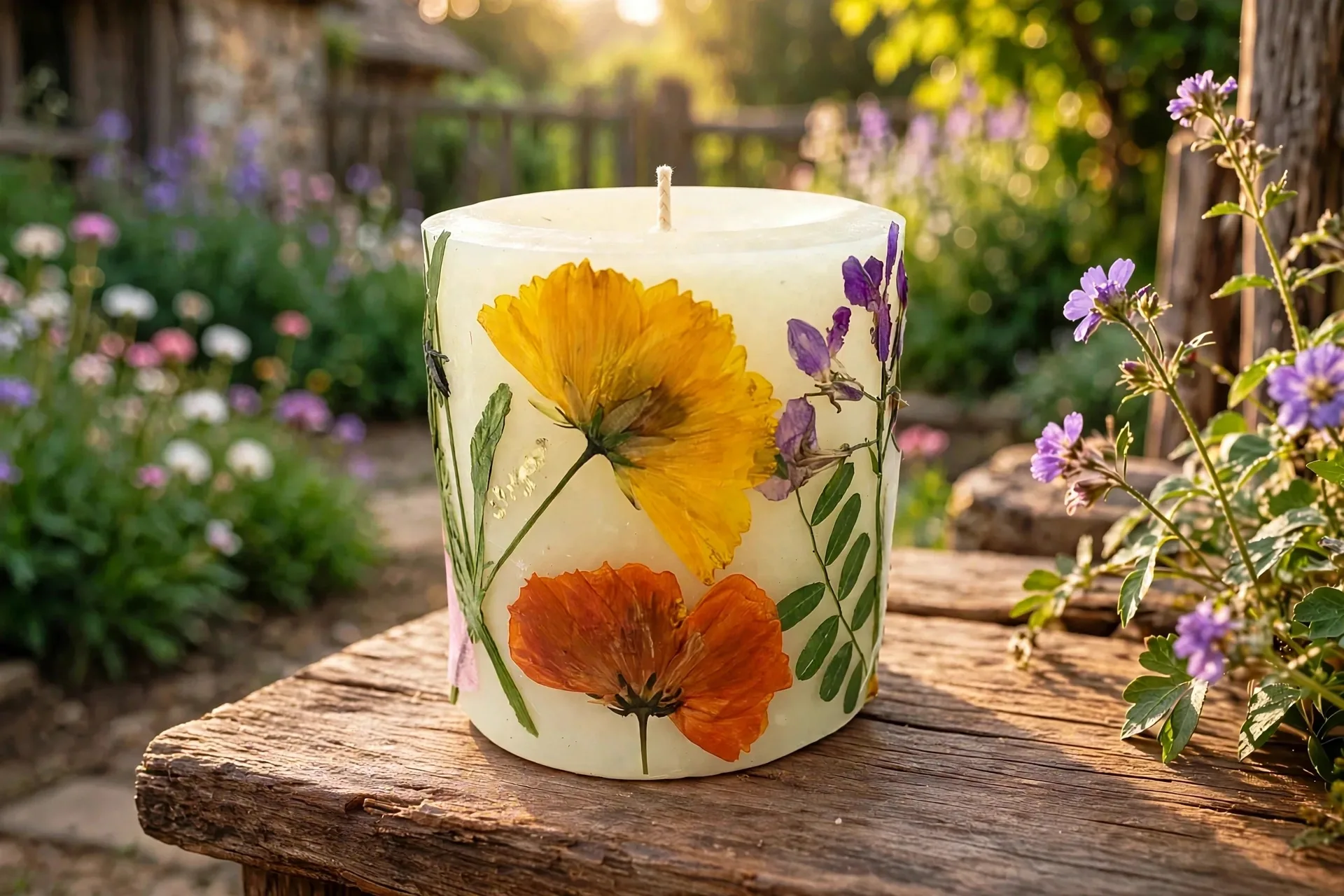
Walk into any candle shop and you will see three words everywhere: soy, beeswax, coconut soy. They are not marketing fluff — the wax is the engine of the candle, and it changes how it burns, how it smells, and how it fits your home. Here is an honest comparison from a studio that pours all three.
Soy wax: the friendly all-rounder
Soy wax is made from hydrogenated soybean oil. It burns slower and cooler than paraffin, holds fragrance well, and is easy to clean up with soap and water. It is the reason most modern artisan candles exist — it is affordable, renewable, and forgiving to pour.
The trade-offs: pure soy can have a softer scent throw in very large rooms, and its creamy, opaque look is rustic rather than polished. If you love a gentle, everyday background fragrance, soy is a wonderful choice.
Beeswax: the natural purist
Beeswax is the oldest candle wax in the world, made by honeybees. It burns the longest and cleanest of the three, with a naturally warm, honeyed aroma even before fragrance is added. Many people who are sensitive to synthetic scents choose beeswax for exactly this reason.
The trade-offs: it is the most expensive wax, it holds added fragrance more subtly (purists consider this a feature), and its golden colour does not suit every aesthetic. For decorative pieces and long, slow burns, beeswax is unmatched.
Coconut soy: the best of both
Coconut soy is a blend — typically coconut oil wax mixed with soy. This is the wax we reach for most in our studio, and for good reason. It has an exceptionally smooth, creamy finish, an excellent cold and hot scent throw (you can smell it unlit and lit), and a slow, even burn. It is the closest thing to a "premium" feel in a natural wax.
The trade-offs: it is softer than pure soy, so it suits containers rather than free-standing pillars, and it costs more than plain soy. For a gift or a signature home fragrance, it is our top recommendation.
How wax affects scent throw
Scent throw — how far and how truly a candle's fragrance travels — is where wax choice shows most. Denser, oil-rich waxes like coconut soy release fragrance steadily and fill a room; harder waxes like beeswax release it more gently. This is why the same fragrance oil can smell bold in a coconut soy candle and whisper-soft in beeswax. Neither is wrong — it depends whether you want your home fragranced or merely kissed.
Room size matters too. A single candle in a small bedroom will scent the whole space regardless of wax. In an open-plan living area, coconut soy earns its keep. When in doubt, match the wax to the room, not just your nose.
Maker's tip: the "cold throw" — how a candle smells unlit in the shop — tells you a lot about the wax. Coconut soy has the strongest cold throw of any natural wax we pour, which is why it wins people over before the wick is ever lit.
Which wax is right for you?
- Choose soy if you want an affordable, natural everyday candle with a soft, cozy scent.
- Choose beeswax if you want the longest burn, the most natural option, or a beautiful decorative piece with a gentle honey warmth.
- Choose coconut soy if scent throw matters most to you — the strongest, truest fragrance in a creamy, luxurious wax.
What we avoid: paraffin wax. It is petroleum-derived, and while it is common in mass-market candles, we simply prefer pouring waxes that come from plants and beehives.
Whichever wax you choose, the care rules are the same — trim the wick, let the first burn reach the edges, and keep it out of drafts. A well-made natural wax candle, treated kindly, will outshine any mass-market alternative.
Shop the Story
Try each wax in our studio: a beeswax owl, pressed-flower beeswax, a classic soy candle, and our signature coconut soy pillar.

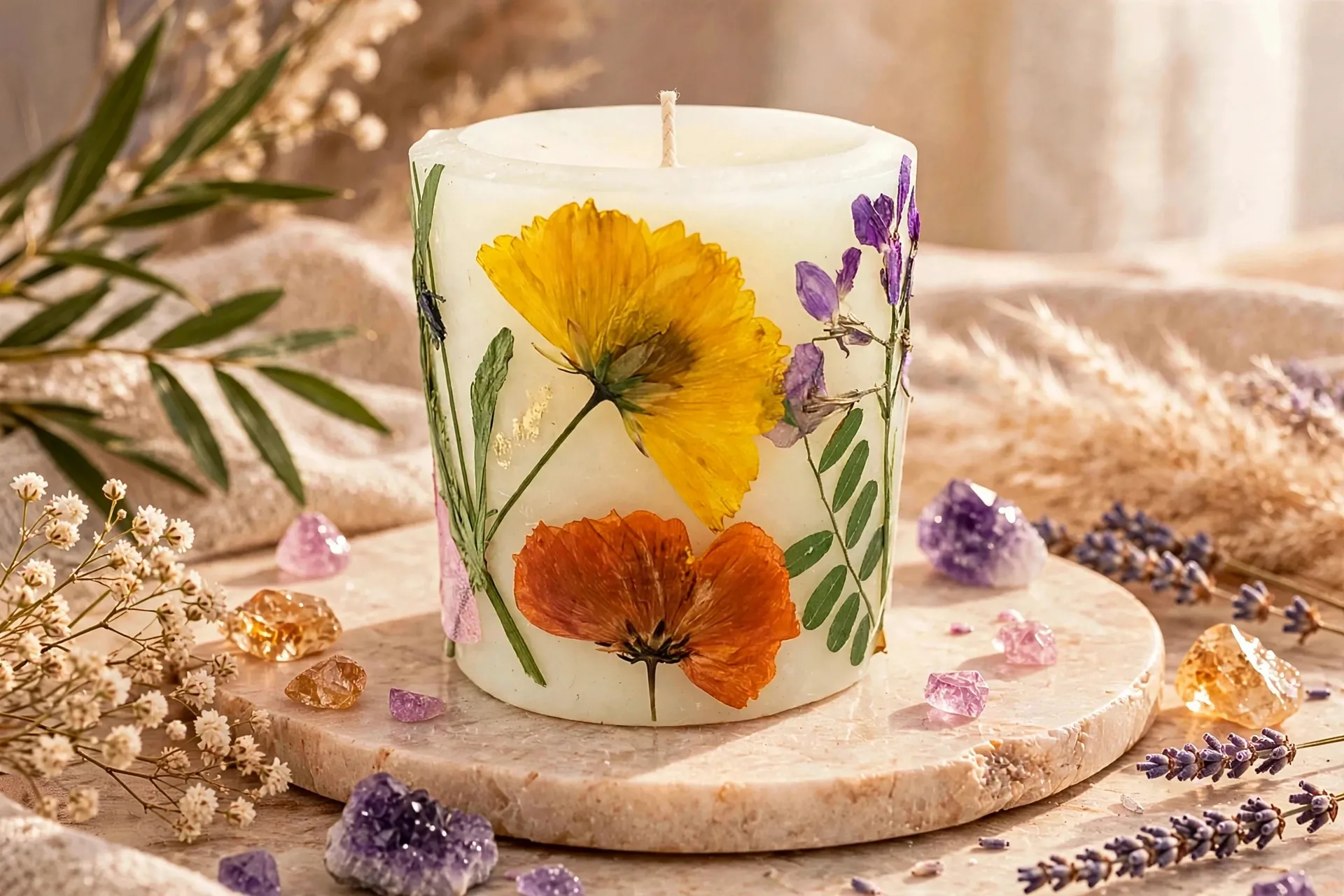

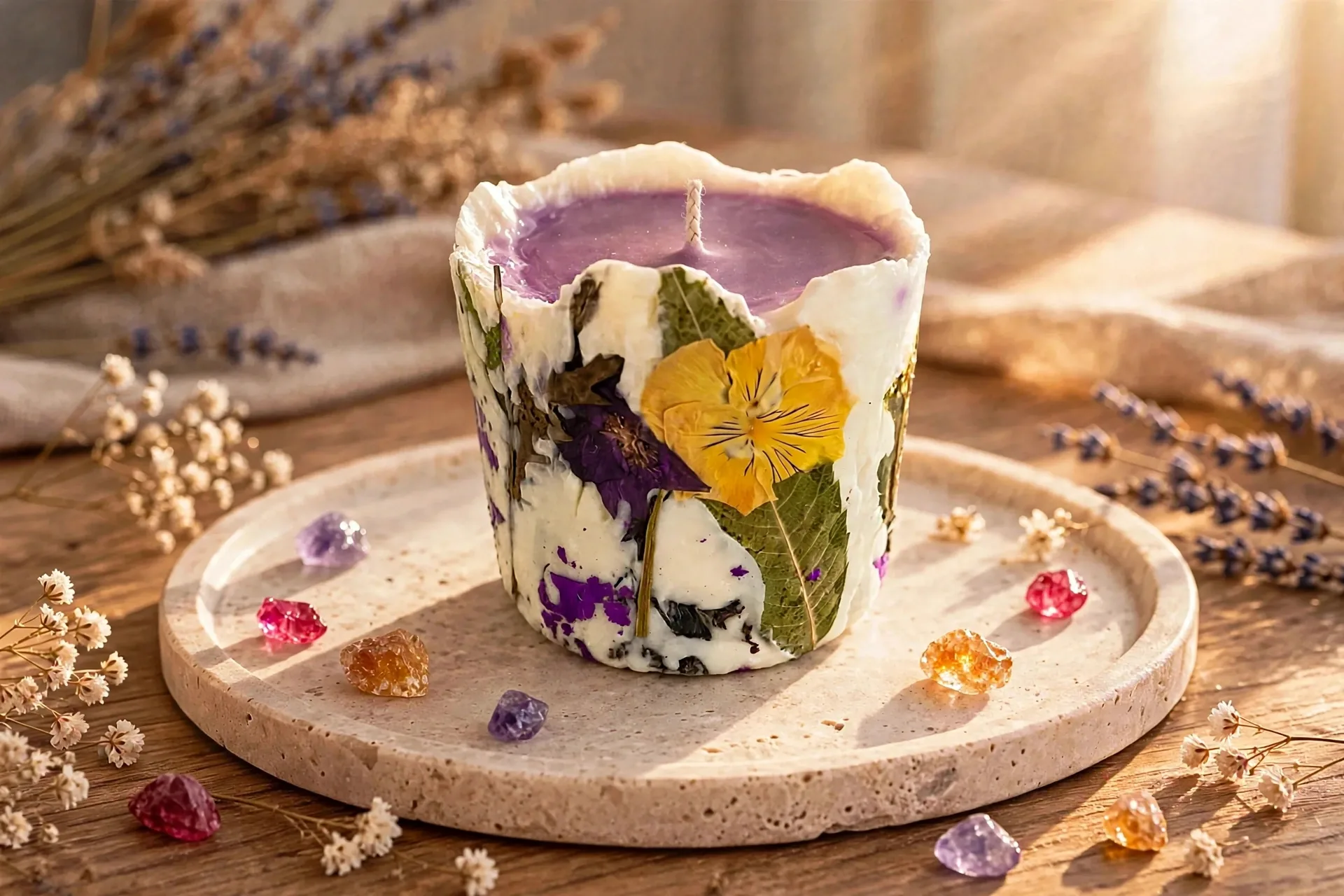
Ready to try them? Browse the coconut soy candle collection.